Cyprus’s Timeless Coastal Jewel
Larnaca blends ancient roots with modern vibrancy on Cyprus’s southeast shore.
Associated with the ancient city-kingdom of Kition, its history spans more than three millennia, shaped by trade and successive Mediterranean civilizations. Today, visitors can explore historic churches, archaeological sites and the Larnaca Salt Lake, enjoy local Cypriot cuisine, or relax along the city’s beaches and waterfront.
History: Layers of Civilizations
We offer support and resources to help international businesses and planners navigate opportunities in Larnaca, ensuring smooth expansion, informed decisions, and successful long-term growth. Our services include:
From Ancient Kition to Modern Larnaca
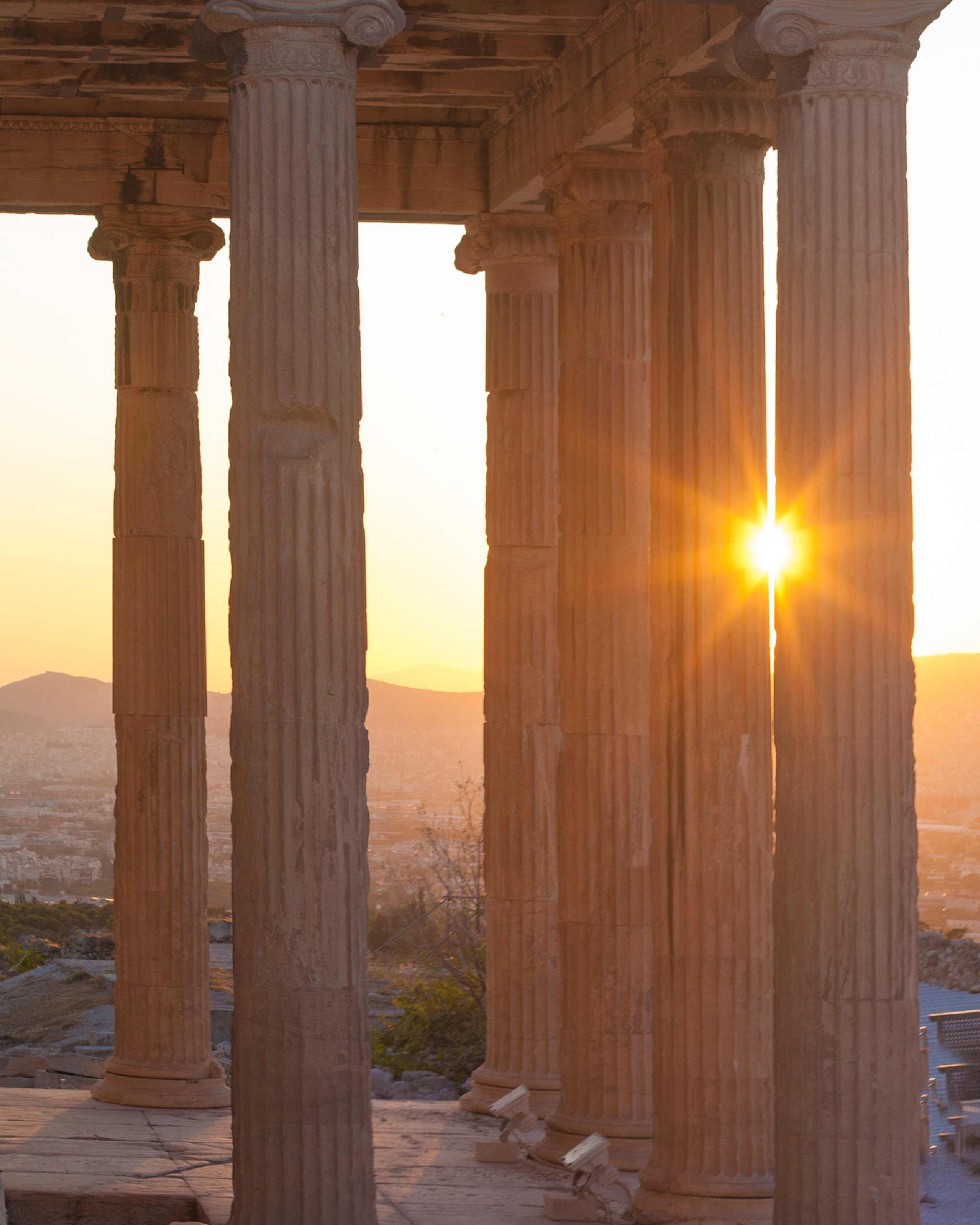
Ancient Kition was an important city-kingdom and port on the southeastern coast of Cyprus. Its development as an urban centre is associated with the Late Bronze Age, particularly the 13th century BC, when Mycenaean Greek connections were established on the island.
In subsequent centuries, Kition became a significant centre of Phoenician culture and participated in the extensive trading networks of the eastern Mediterranean. Cyprus’s copper resources played an important role in the island’s ancient economy, while Kition’s coastal position connected it with other Mediterranean communities.
One of the best-known figures associated with ancient Kition is Zeno of Citium, born around 334 BC. He later travelled to Athens, where he founded Stoicism, a philosophical school whose ideas continue to influence discussions of ethics, self-discipline and the good life.
Centuries of Change and Cultural Exchange
Larnaca’s history reflects the changing powers and cultures that shaped Cyprus. The island experienced Hellenistic rule under the Ptolemies, followed by Roman and Byzantine periods, before coming under Lusignan, Venetian and Ottoman rule. British administration began in 1878, and Cyprus gained independence in 1960.
The city’s name is commonly associated with the Greek word larnax, meaning a coffin or sarcophagus, a possible reference to the area’s ancient tombs. Salt production from the nearby salt lakes was an important part of the region’s economic history for centuries.
Larnaca Castle, beside the seafront, reflects the city’s historical strategic and maritime importance. Further along the coast, Finikoudes promenade takes its name from the small palm trees planted along the seafront in the 1920s.
The result is a city where archaeological remains, religious monuments, traditional neighbourhoods and modern public spaces tell different parts of Cyprus’s story.
Culture & Tradition:
Authentic Cypriot Soul

Festivals and Faith
Larnaca pulses with Orthodox traditions, like Lazarus Saturday processions honoring Saint Lazarus, the biblical figure said to have lived here post-resurrection. Annual events include the Flower Festival (Anthestiria) with floats and meze feasts, Cat Festival for animal welfare, and beach fireworks; blending Greek, Ottoman, and British influences in community parades and church bazaars.

Daily Life and Hospitality
Philoxenia (guest-love) defines locals: expect warm tavernas with live bouzouki music, lace-making demos in nearby Lefkara (UNESCO craft), and salt harvesting tales at the lake. The local Market overflow with olives, herbs and local delicacies, while Sundays feature village panigyria (village fairs) with folk dances.
Weather: Sunshine Guaranteed
Mediterranean Paradise Year-Round
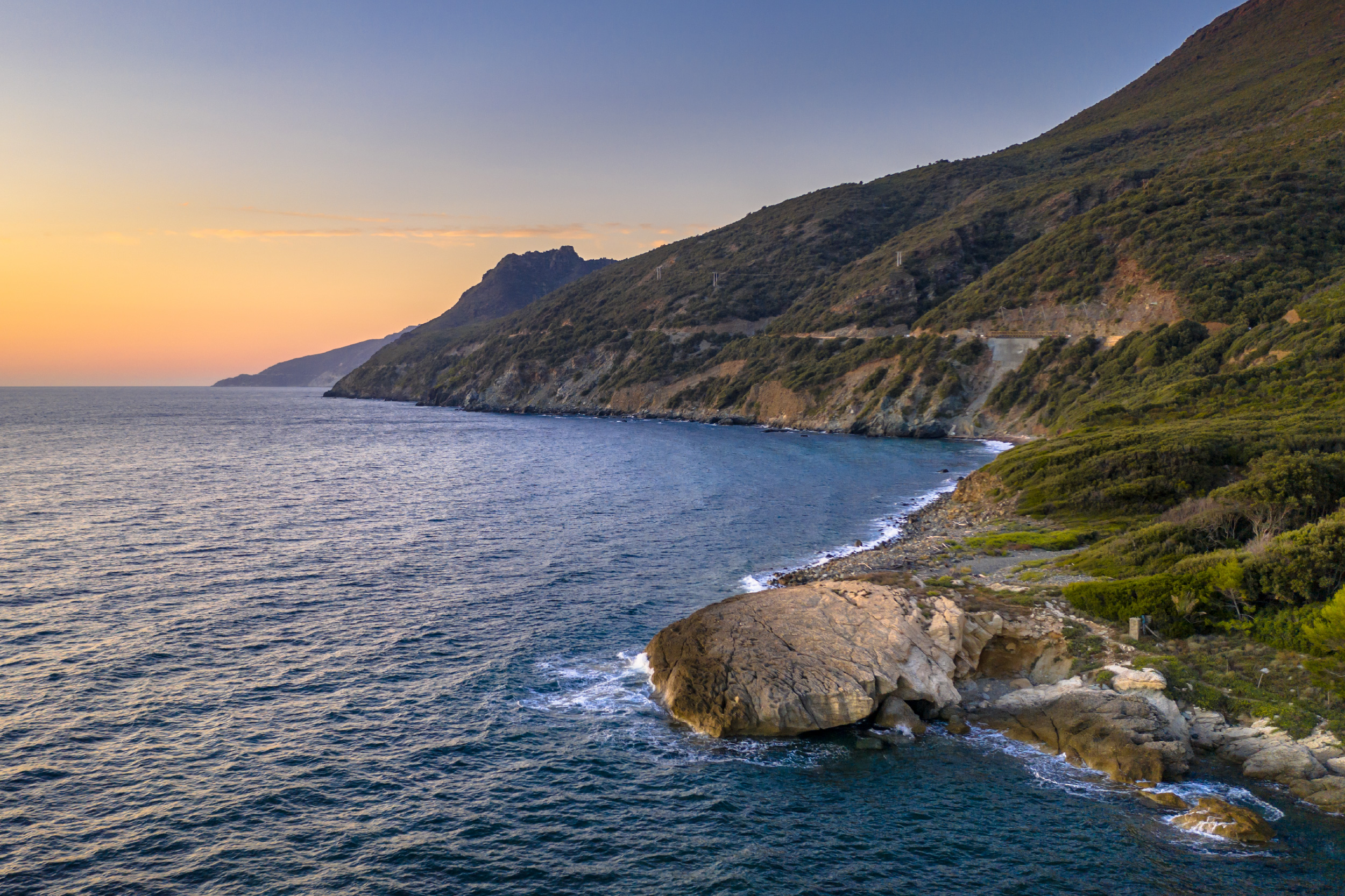
Boasting 340 sunny days, Larnaca’s climate delivers hot, dry summers (July-August: 30-35°C/86-95°F) perfect for beach days, and mild winters (January: 15-18°C/59-64°F) ideal for hikes. Spring/autumn shoulder seasons (22-28°C/72-82°F) mean fewer crowds, blooming fields, and flamingo migrations at Salt Lake. Pack layers for breezy evenings; rain is rare (50mm/year).
Remarkable People of Larnaca
Icons Who Shaped the World
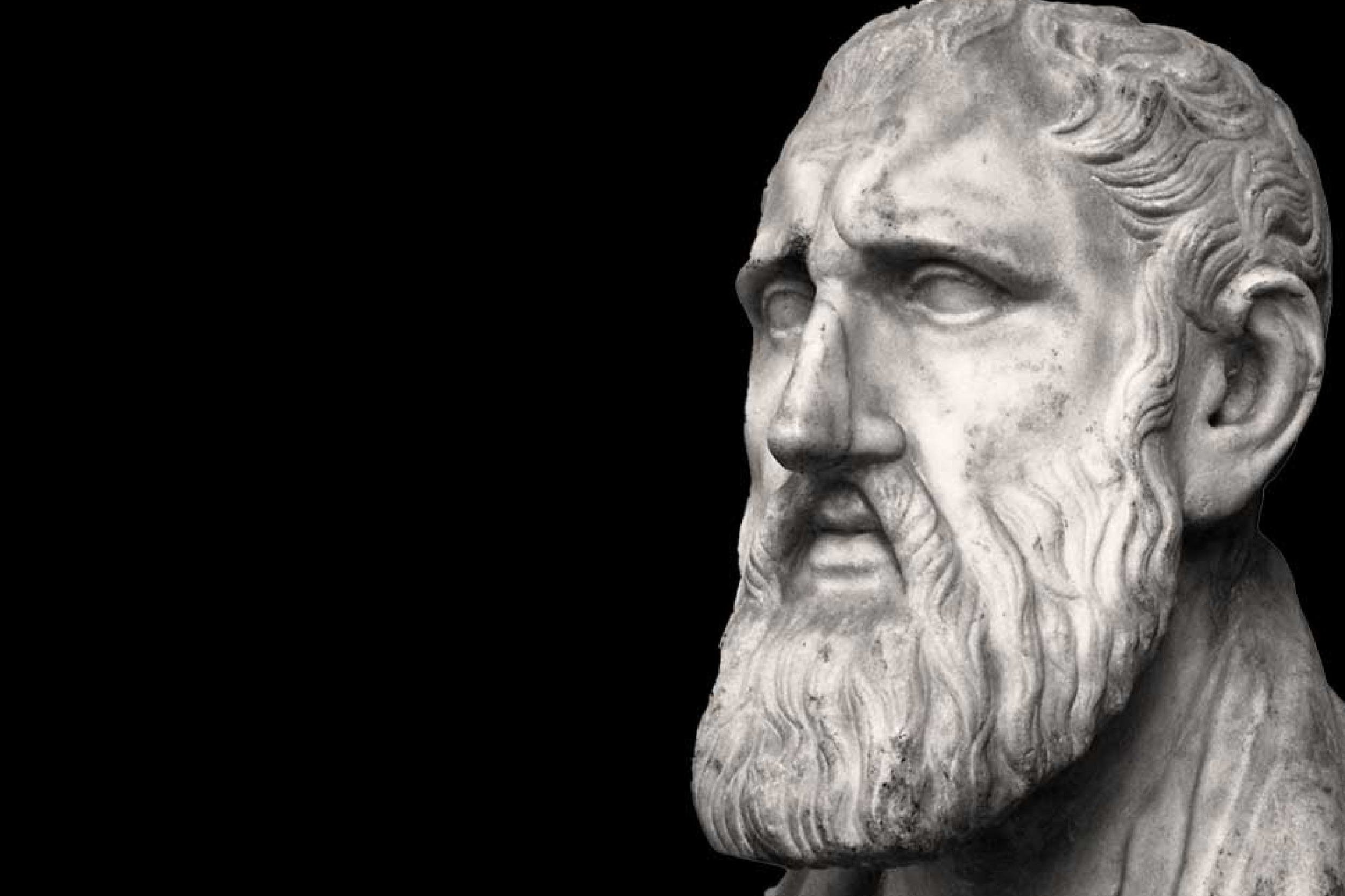
Zeno of Citium, generally dated to around 334–262 BC, is among the most influential historical figures associated with Larnaca. Born in ancient Kition, he became the founder of Stoicism in Athens. The philosophy’s emphasis on virtue, reason and resilience subsequently influenced thinkers like Marcus Aurelius throughout the Greek and Roman worlds.
Larnaca’s story is one of resilience and welcome—explore its churches, ruins, and tavernas to feel the heartbeat of Cyprus. Plan your visit today!